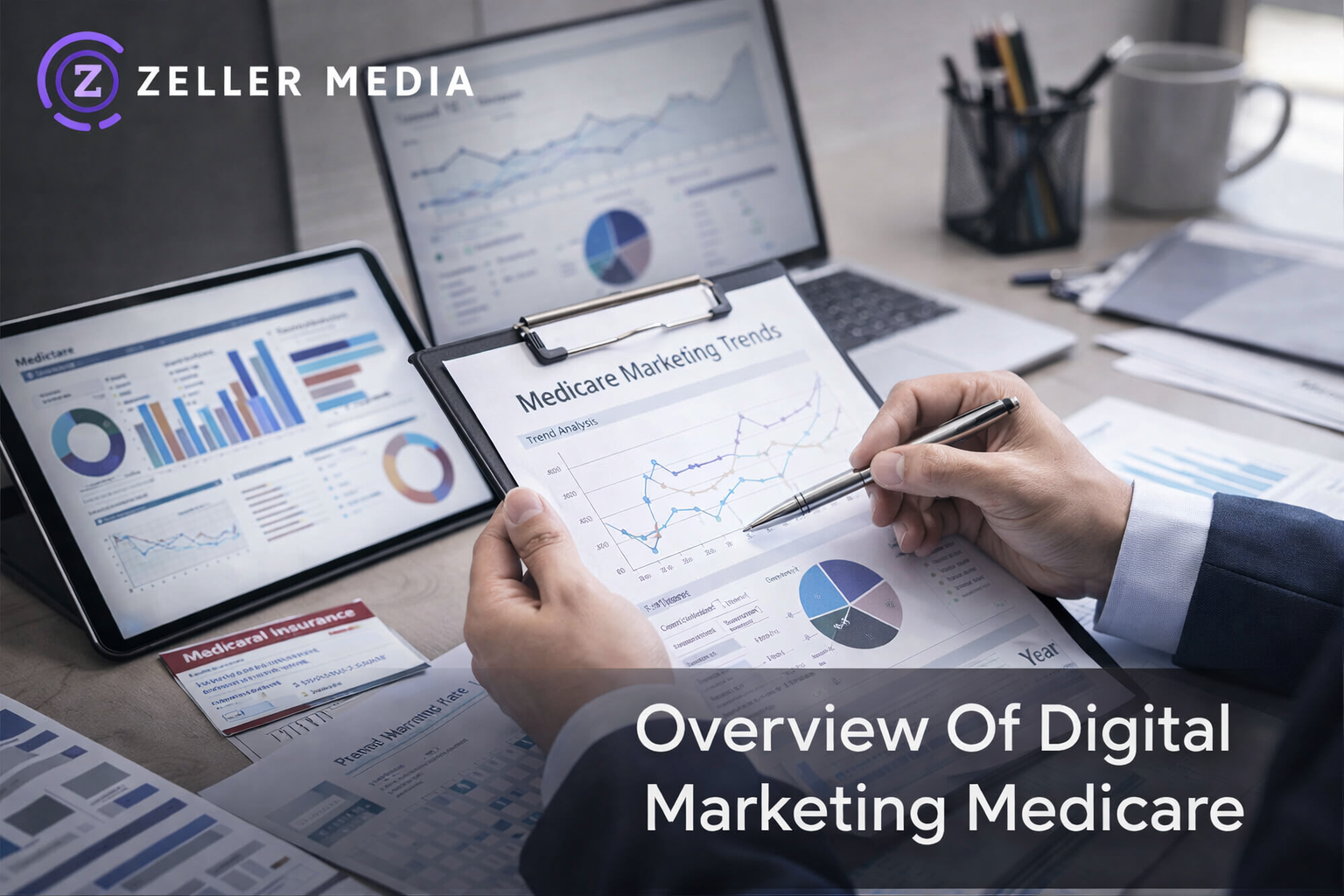
Explore the benefits of digital marketing for Medicare providers and offer tips on how to create a successful digital marketing strategy. In recent years, digital marketing has become an essential tool for businesses across various industries, including healthcare. In the United States, Medicare is a government-run health insurance program that covers millions of Americans over the age of 65. For healthcare providers and insurance companies that cater to Medicare beneficiaries, digital marketing can be an effective way to reach and engage with this demographic.
Understanding the Digital Medicare Market
Before we dive into digital marketing strategies, it's important to understand the Medicare market. The Medicare population is a unique demographic with specific needs and challenges. According to the Centers for Medicare and Medicaid Services, there were over 62 million Medicare beneficiaries in the United States as of 2020.
The Medicare population is generally older, with most beneficiaries over the age of 65. This demographic may be less comfortable with technology and social media than younger generations, but they are increasingly adopting digital channels for information and communication. Additionally, Medicare beneficiaries may have specific healthcare needs and may be looking for providers that specialize in geriatric care, chronic disease management, and other areas of healthcare that are relevant to their age group.
Benefits of Digital Marketing for Medicare Providers
Now that we have a better understanding of the Medicare market, let's explore the benefits of digital marketing for Medicare providers.
- Reach a Wider Audience
Digital marketing allows Medicare providers to reach a wider audience than traditional marketing methods. With digital channels such as social media, email marketing, and search engine optimization (SEO), providers can target Medicare beneficiaries across the country and even around the world.
- Build Brand Awareness
Digital marketing also provides opportunities for Medicare providers to build brand awareness and establish themselves as thought leaders in their respective areas of healthcare. By creating engaging content such as blog posts, videos, and infographics, providers can share their expertise with the Medicare population and position themselves as trusted sources of information.
- Generate Leads and Increase Conversions
Digital marketing can also help Medicare providers generate leads and increase conversions. By creating targeted ads and landing pages, providers can encourage Medicare beneficiaries to take action, such as scheduling an appointment or signing up for a health plan.
- Measure Results and Adjust Strategies
Digital marketing allows Medicare providers to measure the success of their campaigns and adjust their strategies as needed. By tracking metrics such as website traffic, click-through rates, and conversion rates, providers can gain valuable insights into the effectiveness of their marketing efforts and make data-driven decisions to improve their campaigns.
Tips for Creating a Successful Digital Marketing Strategy for Medicare Providers
Now that we've explored the benefits of digital marketing for Medicare providers, let's dive into some tips for creating a successful digital marketing strategy.
- Define Your Target Audience
The first step in creating a successful digital marketing strategy for Medicare providers is to define your target audience. This includes understanding the specific healthcare needs and challenges of the Medicare population and identifying the best channels to reach this demographic.
- Create Engaging Content
To build brand awareness and establish thought leadership, Medicare providers should create engaging content that is tailored to the needs and interests of the Medicare population. This may include blog posts, videos, infographics, and social media content that covers topics such as geriatric care, chronic disease management, and preventive healthcare.
- Use SEO to Improve Visibility
To increase visibility and attract more Medicare beneficiaries to your website, it's important to use search engine optimization (SEO) techniques. This includes optimizing your website for relevant keywords, creating high-quality content, and building backlinks from reputable sources.
- Leverage Social Media
Social media can be an effective way to reach and engage with the Medicare population. Medicare providers should consider creating social media accounts on platforms such as Facebook, Twitter, and Instagram
Company For Medicare Digital Marketing
Zeller Media is experienced in Medicare digital marketing. Get in touch with us today.